What Maryland Homeowners Should Know
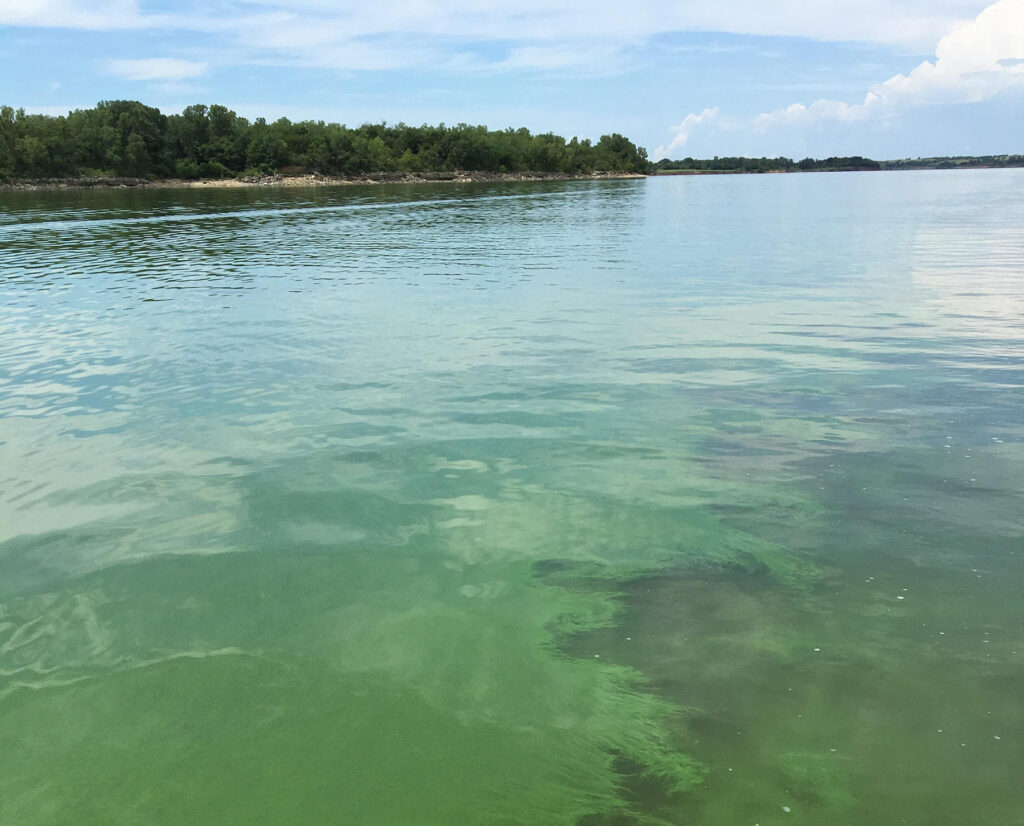
When most people think about water quality concerns, they think of hard water, chlorine, or contaminants such as PFAS. However, another growing concern across the United States is Harmful Algae Blooms (HABs).
These blooms can impact lakes, reservoirs, rivers, and other water sources that eventually make their way into our drinking water supplies. While municipal water treatment plants work hard to remove contaminants, homeowners should understand the risks and know when additional water testing and treatment may be beneficial.
Algae are naturally occurring organisms found in ponds, lakes, rivers, and reservoirs. Under certain conditions, algae can grow rapidly and form what is known as an algae bloom.
Warm temperatures, excess nutrients such as phosphorus and nitrogen, and slow-moving water create ideal conditions for blooms to develop. While not all algae blooms are harmful, some species produce toxins that can pose risks to people, pets, wildlife, and drinking water sources.
These toxic blooms are known as Harmful Algae Blooms, or HABs.
Scientists have observed an increase in harmful algae blooms in many parts of the country. Several factors contribute to their growth, including:
As a result, blooms are appearing more frequently and lasting longer than they did in the past.
Some algae species produce toxins known as cyanotoxins. These toxins can contaminate water supplies when blooms occur in reservoirs, lakes, or rivers used as drinking water sources.
Potential concerns include:
Unpleasant Taste and Odor
One of the first signs of an algae bloom affecting water is a musty, earthy, or moldy taste and smell. While these odors are not always dangerous, they can make water unpleasant to drink.
Health Risks
Certain cyanotoxins have been linked to health concerns when consumed in sufficient amounts. Exposure may cause:
Children, older adults, and individuals with compromised immune systems may be particularly vulnerable.
Recreational Exposure
Even if drinking water remains safe, blooms can create risks for people and pets who swim, boat, or fish in affected waterways.
Homeowners with private wells are generally less likely to be affected directly by algae blooms because groundwater is naturally filtered as it moves through soil and rock.
However, shallow wells located near lakes, ponds, or surface water sources may be more vulnerable to contamination. If your property is near a body of water that experiences algae blooms, professional water testing can help determine whether any contaminants are impacting your water supply.
The best treatment solution depends on the specific contaminants present in the water.
Professional water testing is the first step in determining whether treatment is needed. Depending on the results, treatment options may include:
Not every water treatment system is designed to address algae-related contaminants, which is why accurate testing and proper system selection are important.
Consider scheduling a professional water test if:
Water quality can change over time, and many contaminants are impossible to detect without testing. Whether your water comes from a municipal supply or a private well, understanding what’s in your water is the first step toward protecting your family.
At Liberty Pure Solutions, we provide complimentary in-home water testing and clear explanations of your results. If treatment is recommended, we’ll help you understand your options and design a custom solution that fits your home’s needs.
Clean, great-tasting water starts with knowledge—and we’re here to help.